


Cardiology | 26 May 2026
Heart Blockage Test: A Complete Guide to Types, Signs & What to Expect
Getting a heart blockage test usually feels far scarier than the actual clinic visit itself. You might notice a strange tightness in your chest while chasing your dog around a local park. Many people simply blame this sudden heavy feeling on bad digestion after eating a spicy street snack.
But when that physical pressure sits heavily on your ribs and refuses to fade away, finding clear answers becomes your only job. Ignoring the quiet signals your body sends is a terrible idea. We need to take a closer look at how doctors safely detect these hidden plumbing problems before they turn into heart attacks or other serious emergencies.
The Value of Routine Heart Check Up Tests
Booking routine heart check up tests helps you catch silent blockages long before they cause you any physical pain. Consider a 42 year old shop owner in South Delhi. He feels perfectly fine lifting heavy boxes of inventory all day long. But high cholesterol is secretly coating the inside of his arteries without making a single sound. This silent buildup takes decades to become truly dangerous.
These routine exams act as an early warning system for your whole body. Doctors can spot exactly where the internal damage is starting. This gives you a genuine chance to change your daily habits. Waiting until you feel violently sick means the internal damage is already significant.
Knowing When You Need a Heart Health Test
Your doctor will likely suggest a heart health test if you start struggling with very basic daily activities. Feeling completely out of breath after climbing just one flight of stairs is a major physical red flag. Sudden dizzy spells or a weird racing heartbeat while you watch television also require immediate professional attention. You must also pay close attention to your family medical history.
If your parents faced severe cardiac issues in their fifties, you naturally carry a much higher genetic risk. A doctor will evaluate your physical limits safely in a controlled room.
You should ask a specialist for a proper heart screening if you experience:
- Unexplained exhaustion that lasts for several consecutive days.
- Sharp pain spreading rapidly to your jaw or left shoulder.
- Heavy sweating during very light physical tasks.
What Does a Heart Function Test Reveal?
A proper heart function test looks closely at how well your cardiac muscle actually pumps blood to the rest of your body. The most common tool for this specific job is an echocardiogram. This highly effective machine uses simple sound waves to create a live video of your internal valves opening and closing. It requires no needles and causes absolutely zero pain.
The specialist watches the video screen to see if any specific chamber looks weak or stiff. This exam tells the medical team if your muscle suffered any hidden damage in the past. It gives them a very clear baseline to track your future recovery. It remains a vital step in mapping out a long term care plan.
Exploring Different Types of Heart Tests
Medical professionals use several types of heart tests depending entirely on your specific physical symptoms. If you only feel chest pain while exercising, the doctor will likely order a basic treadmill stress exam. They hook you up to a monitor and ask you to walk fast until your pulse rises. This controlled stress shows exactly when the blood flow begins to struggle under a heavy load.
If the doctors need to see the actual physical blockages inside your blood vessels, they rely on entirely different imaging tools.
The clinical team might also recommend the following procedures:
- A standard electrocardiogram to check the electrical rhythm of your beats.
- A CT scan to look for hard calcium deposits inside the artery walls.
- A nuclear stress exam to map exactly where the blood stops flowing entirely.
The Most Reliable Test for Cardiovascular Disease
The most reliable test for cardiovascular disease when a major blockage is heavily suspected is the coronary angiogram. This happens inside a specialized hospital lab where a surgeon guides a tiny flexible tube up through your wrist. They inject a special contrast dye that shows up beautifully on their large x-ray screens. The patient remains awake but comfortably numb during the short procedure.
This specific dye highlights the exact location of the dangerous cholesterol plaque. It acts like a live digital map for the surgical team. If they find a severe narrowing during this procedure, they can often manage it immediately. They place a small metal stent to prop the vessel open permanently.
What a Blood Test for Heart Shows
A standard blood test for heart health reveals the silent chemical markers circulating quietly through your veins. Your doctor looks very closely at your lipid profile to measure the bad cholesterol floating in your system. High levels of these sticky fats strongly indicate that plaque is currently growing inside your arteries. Fasting before this exam ensures the chemical results are highly accurate.
During an actual hospital emergency, doctors look for entirely different chemical markers. They test for troponin proteins that leak out when cardiac cells die from a lack of oxygen. Catching these elevated proteins confirms that a medical crisis is actively happening right now. It removes all guesswork from the busy emergency room.
Understanding How to Check Heart Health
Learning how to check heart health requires a smart mix of simple home habits and professional medical guidance. You can easily track your daily blood pressure using a reliable digital cuff right in your own living room. Keeping a written log of these daily numbers gives your doctor incredibly valuable information. High blood pressure acts like rough sandpaper inside your delicate vessels.
You can also monitor your resting pulse rate before you get out of bed in the morning. A consistently high pulse rate means your body is working far too hard just to survive. However, home gadgets can never replace the highly accurate diagnostic machines used in a proper clinical setting.
Exactly How is Heart Disease Diagnosed by Specialists
Figuring out exactly how is heart disease diagnosed requires a doctor to act like a very patient detective. Doctors in busy urban clinics start by asking deep questions about your daily lifestyle and work stress. They listen very carefully to your chest with a stethoscope to catch any abnormal clicking sounds. They want to know exactly what you eat and how much you sleep.
Once they gather your complete physical history, they start ordering the specific exams mentioned earlier. The medical team pieces all these different test results together like a complex puzzle. They combine the electrical data, the blood work, and the imaging scans to build a completely accurate medical diagnosis.
What is the Best Test to Check for Heart Problems?
Many anxious patients constantly ask what is the best test to check for heart problems during their first clinical consultation. The truthful answer is that no single magical machine finds every possible issue. The most accurate results come from combining a few different exams based entirely on your unique physical symptoms.
A treadmill exam might be perfect for a young athlete, while an angiogram is absolutely necessary for an older patient with severe chest pain. Trust your clinical team to pick the exact right tools for your specific medical situation. They know exactly how to find the hidden trouble safely.
Finding hidden blockages early gives you the absolute best chance to recover fully and return to your normal life. You do not have to live with the terrifying fear of a sudden medical emergency. The highly trained specialists at Arora Neuro are ready to guide you through every single step of your diagnostic journey. They provide clear answers and highly professional care to keep your cardiovascular system running smoothly.
Recent Blogs
-

Difference Between Dementia and Alzheimer's: Things all Families need to know
Dementia is an umbrella term for cognitive decline; Alzheimer's is one specific cause of it (the most common one). This blog explains that distinction, covers other dementia types, lists early warning signs in elderly parents, and pushes for early diagnosis via Arora Neuro Center.
-
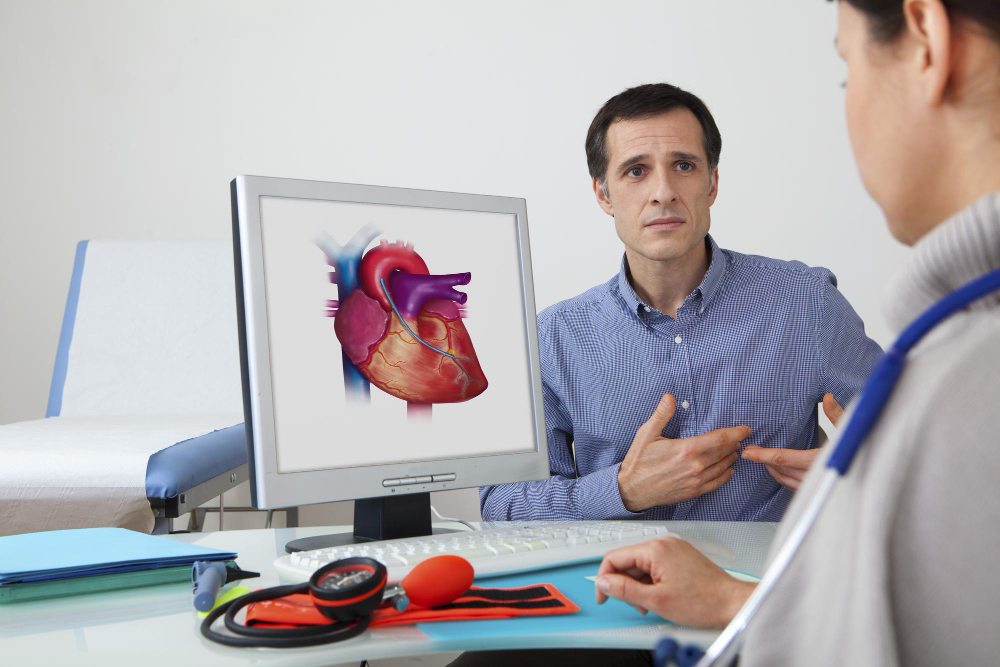
Why A Routine Heart Check Up Saves Lives
Most heart problems develop silently over years with no obvious symptoms. Heart screening tests detect cholesterol levels, blood pressure, and hidden blockages early — when lifestyle changes can still prevent a crisis.
-

What a Cardiac Profile Test Actually Tells Your Doctor About Your Heart
When something goes wrong with your heart, doctors can't rely on guesswork. A cardiac profile test checks your blood for specific markers like troponin, electrolytes, and cholesterol to find out exactly what happened inside your chest - and make sure you get the right treatment, not just the closest one.
-
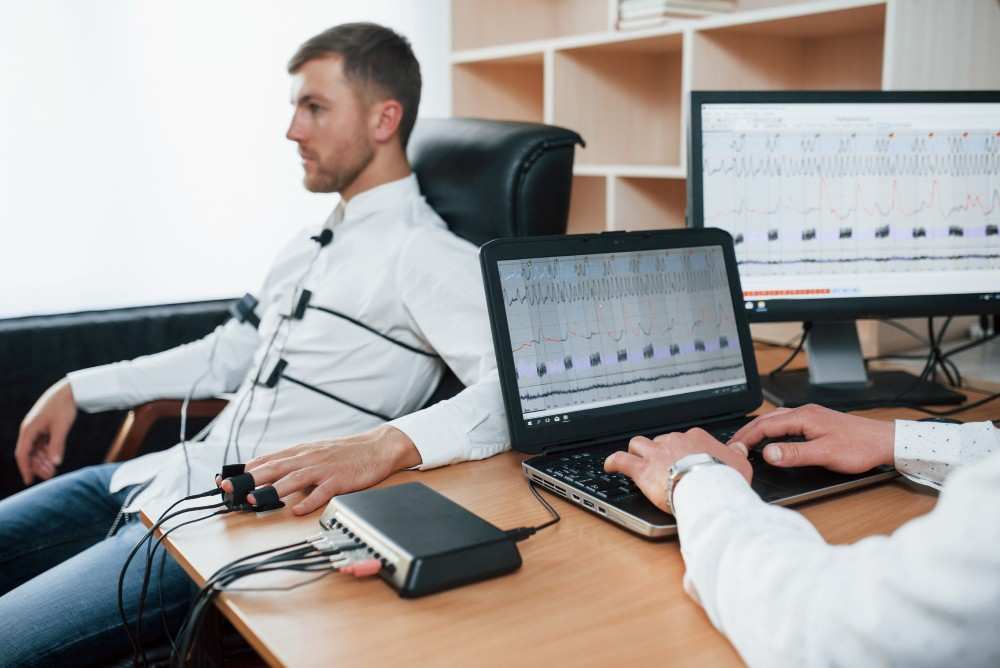
ECG Test For Heart Attack: What a Normal Result Can and Can't - Tell You
Hearing that you might have a heart attack with a normal ECG sounds completely confusing when your chest feels terribly heavy. You likely rushed to the local clinic because you felt an unusual squeezing sensation after a quick morning walk.