
Cardiology | 20 May 2026
Heart Attack: Definition, Causes, Symptoms & Complete Guide to Recovery
The heart attack definition & causes usually become painfully relevant only when a family is already sitting inside a crowded hospital waiting room. A myocardial infarction occurs when the vital blood flow carrying oxygen to the heart muscle is severely restricted or cut off completely. The human heart is a tireless pump that requires a constant supply of fresh blood to survive. When that blood pipeline shuts down, the muscle begins to starve and take severe damage within mere minutes.
The primary cause involves cholesterol and fat building up inside the smooth coronary arteries over many long decades. This sticky buildup forms a thick plaque that hardens the vessel walls. On a completely random day, a small piece of this brittle plaque can suddenly rupture or tear open. When the plaque breaks, the body panics and immediately forms a thick blood clot over the area to heal the tiny wound.
Unfortunately, this emergency blood clot blocks the narrow artery entirely. Blood stops moving forward. Without rapid medical intervention to clear the blockage, the affected tissue begins to die permanently. Understanding this biological traffic jam removes much of the confusing mystery for families facing a sudden cardiac crisis.
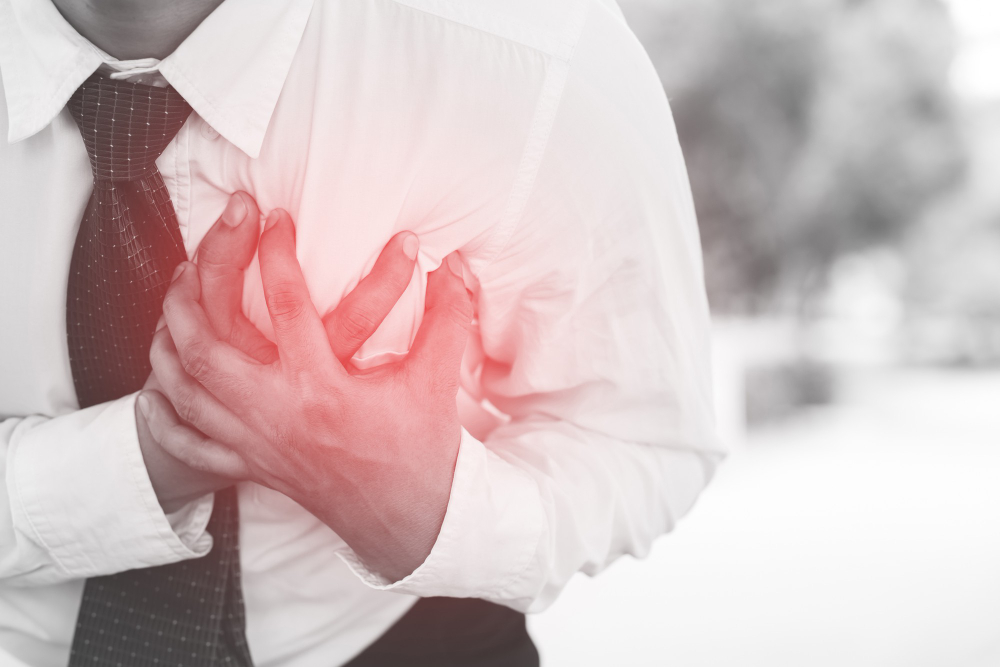
Recognizing Early Heart Attack Symptoms & Warning Signs
Catching heart attack symptoms & warning signs early saves more delicate heart tissue than any advanced surgical procedure can ever fix. The human body rarely provides a cinematic warning before a major cardiac event begins. Instead, it sends quiet physical signals that refuse to fade away after a brief period of rest. Many patients completely misread these early clues.
A common scenario involves a person feeling severe chest pressure and blaming it on a heavy dinner of fried food. They take a standard antacid and hope the heavy discomfort passes by morning. Delaying a professional medical evaluation during these critical hours often leads to massive muscle damage. You must pay attention when your body feels fundamentally wrong.
Watch closely for the following physical alerts that require immediate emergency attention:
-
Heavy pressure or a tight squeezing sensation directly in the center of the chest.
-
Dull pain spreading outward to the left arm, neck, jaw, or upper back.
-
Sudden shortness of breath while resting on the couch or doing very light activities.
-
Unexplained cold sweats accompanied by severe nausea or sudden dizziness.
Why Warning Signals Differ for Women
Women frequently experience vastly different warning signals than men do during a cardiac emergency. They might never feel that classic chest crushing sensation at all. Instead, they often report feeling unusually exhausted for several consecutive days before the actual event. A simple walk to the kitchen leaves them completely breathless and dizzy.
Many women also feel sharp pain right between their shoulder blades or terrible indigestion after a very light meal. Because these specific signals strongly mimic the seasonal flu or extreme workplace stress, women often delay calling a doctor. Recognizing these quiet alerts prevents dangerous delays in getting proper hospital care.
The Standard Heart Attack Diagnosis Process
Doctors rely on a rapid heart attack diagnosis to map out the internal tissue damage before making crucial surgical choices. The emergency room operates on pure speed and highly strict clinical protocols. When a patient arrives with chest pain, the medical team does not guess. They look for hard chemical and electrical evidence.
Nurses will attach sticky patches to the patient's chest for an electrocardiogram almost instantly. This specialized machine tracks the tiny electrical waves jumping across the heart muscle. The printed paper tells the busy cardiologist if tissue is currently dying and pinpoints the exact physical location of the dangerous blockage.
Blood tests confirm the electrical findings with concrete chemical facts. Dying heart cells burst open and leak specific proteins straight into the bloodstream. Here is how doctors formally confirm the medical emergency:
| Diagnostic Test | What It Actually Measures | Why It Matters For Treatment |
| Electrocardiogram (ECG) | The electrical activity of the heart muscle | Shows exactly where the heart is currently struggling |
| Troponin Blood Test | Specific proteins released by damaged cells | Confirms that muscle tissue has actually taken damage |
| Coronary Angiogram | X-ray imaging of the internal blood vessels | Locates the exact physical blockage for stent placement |
Want to Know About Heart Tests Clikc Here: Heart Blockage Test
Understanding the Specific Types of Heart Attacks
Not every hospital emergency is identical because the different types of heart attacks dictate the required medical response. The severity of the event depends entirely on how much of the coronary artery is actually blocked. Medical teams categorize these events rapidly to determine if immediate invasive surgery is necessary to save the patient.
A total artery blockage is the most severe medical scenario for any patient. Blood stops moving forward entirely. A partial blockage still allows a minimal amount of blood to squeeze past the thick clot. However, the heart still screams loudly for more oxygen during a partial block.
Understanding the specific medical diagnosis helps families comprehend the long term treatment plan:
-
STEMI: A complete blockage of a major artery requiring immediate surgical stents or bypass surgery to save the dying muscle.
-
NSTEMI: A partial blockage that causes severe damage but might be treated initially with strong blood thinning medications before surgery.
-
Coronary Artery Spasm: A sudden tightening of the artery that cuts off blood flow temporarily without a physical clot being present.
Decoding Common Medical Terminology & Related Conditions
Learning basic medical terminology & related conditions keeps families from feeling entirely helpless when busy surgeons speak quickly. Medical professionals use highly specific jargon to describe exactly what is happening inside the chest cavity. Knowing a few key terms allows patients to ask sharp and relevant questions about their personal care plan.
Ischemia is a word frequently used in the cardiac intensive care ward. It simply means a body part is starving for fresh oxygenated blood. When the heart faces ischemia, it sends out sharp pain signals to warn the patient. That specific chest pain caused by low blood flow is called angina.
Stable angina typically happens during heavy physical exertion and vanishes completely when the patient sits down to rest. Unstable angina is highly unpredictable and strikes randomly while resting in bed. Unstable angina strongly signals that a major arterial blockage is likely coming very soon.
Concerning Heart Attack Statistics & Awareness
Examining current heart attack statistics & awareness across India reveals exactly why families must prioritize routine medical checkups. Hospitals in major cities like Mumbai and Delhi now treat surprisingly young patients every single day. People in their early thirties and forties regularly arrive at emergency rooms with severe arterial blockages.
A decade ago, cardiac wards mostly treated patients well into their retirement years. Today, the fast pace of urban city living contributes heavily to these rapidly rising numbers. This modern corporate lifestyle damages blood vessels long before any physical chest pain actually shows up to warn the patient.
Young professionals often sit at cramped office desks for twelve hours straight without taking a single physical break. They frequently skip proper sleep and rely heavily on processed food deliveries for their daily meals. This constant workplace stress keeps blood pressure elevated and slowly harms the internal organs over many years.
The Necessity of Routine Health Screening
Ignoring annual medical checkups drives these terrible statistics much higher across the country. High blood pressure feels like absolutely nothing on a normal sunny day. A patient cannot physically feel high cholesterol clogging their delicate arteries while they commute to work.
By the time a younger patient feels physically sick, the internal damage is already highly significant. Simple blood tests catch these silent cardiovascular problems five full years early. Routine heart screening gives people a real window to fix their health before a crisis ever occurs.
Practical Steps for Heart Attack Prevention & Risk Factors
Taking real control involves managing heart attack prevention & risk factors before you ever feel sick. Some risks remain completely out of your hands no matter how healthy your daily habits are. If your parents suffered cardiac events in their forties, your genetic risk is naturally much higher than average.
Aging also stiffens blood vessels naturally over time. Patients must accept those fixed historical facts and focus all their energy on the variables they can actually change today. Building better habits requires a quiet daily commitment rather than extreme weekend motivation.
Focus on controlling these specific medical risks in partnership with your doctor:
-
Manage high blood pressure with daily medication to stop it from scraping the delicate inner walls of your arteries.
-
Keep blood sugar strictly controlled to prevent diabetes from destroying the wider cardiovascular system.
-
Stop smoking cigarettes immediately to prevent your blood from becoming sticky and prone to dangerous clotting.
-
Maintain a healthy body weight to reduce the daily mechanical strain on your heart muscle.
Improving Overall Heart Health & Lifestyle
Elevating your daily heart health & lifestyle does not require buying expensive gym memberships or drinking awful green detox juices. Cardiovascular health grows from boring but highly consistent daily habits. The main goal is to build a broader physical resilience that protects the entire human body over a long lifespan.
Start by looking closely at your daily dinner plate. Swap heavy fried snacks for a handful of unsalted roasted nuts. Use much less oil when cooking evening meals at home and cut back on added table salt. These tiny kitchen changes give your arteries a genuine physical break without requiring extreme starvation diets.
Daily physical movement acts as powerful preventative medicine for the whole cardiovascular system. A thirty minute evening walk does absolute wonders for your entire circulation system. It helps control body weight naturally and burns off the heavy mental stress accumulated during a difficult workday.
The Crucial Role of Deep Sleep
Quality sleep actively lowers your resting heart rate safely. It gives your overworked cardiovascular system a necessary physical pause. Most adults absolutely need seven straight hours for their bodies to repair daily cellular damage.
Turn off bright phone screens an hour before going to bed. Keep the bedroom completely dark and comfortably cool. Practicing simple sleep hygiene protects the heart just as effectively as a proper diet does.
Exactly What to Do During a Heart Attack
Knowing exactly what to do during a heart attack prevents panic from ruining a patient's chances of survival. The very first step is always calling for an emergency ambulance immediately. Never try to drive the patient through heavy city traffic yourself.
Paramedics can begin life saving medical treatments right inside the emergency vehicle before reaching the hospital doors. While waiting for the sirens, have the patient sit down carefully on the floor and lean heavily against a solid wall. Any physical effort forces the damaged muscle to work much harder.
Follow these strict emergency steps while waiting for medical professionals to arrive:
-
Loosen tight collars, heavy ties, or belts to make breathing as easy as possible.
-
Keep the patient completely still and strongly discourage them from walking around the room.
-
If a doctor previously prescribed nitroglycerin for the patient, assist them in taking it exactly as directed.
-
Maintain a completely calm voice to keep the patient's anxiety levels as low as possible.
Navigating the Heart Attack Recovery & Management Phase
Leaving the safe hospital environment starts the long heart attack recovery & management phase. This transition heavily tests the patience of the entire family. Patients usually face extreme physical exhaustion for several long weeks after discharge. Walking to the kitchen sink often feels like climbing a steep mountain.
This profound fatigue is a completely normal part of deep tissue healing. Families must provide a quiet space, very light meals, and absolutely zero outside stress. The body demands strict rest to weave new tissue over the damaged muscle walls safely.
Structured cardiac rehabilitation programs rebuild physical strength safely under expert medical supervision. Medical professionals monitor the patient's pulse closely while they slowly start walking on specialized treadmills. They teach patients exactly how to exercise without pushing their delicate heart too fast.
Mental Health and Ongoing Care
Surviving a major cardiac event often triggers deep anxiety or severe depression. Patients constantly worry that another event will happen while they sleep peacefully. Talking to other survivors in the group rehabilitation program helps remove the heavy feeling of isolation.
Taking all prescribed medicines on a strict schedule stops new clots from forming inside the surgical stents. Healing requires immense time and complete dedication to new daily routines. Please speak to your doctor immediately if you ever experience strange chest discomfort or unusual fatigue.
Fast medical action always prevents worse health outcomes. The specialists at Arora Neuro can support your journey with accurate testing and plain spoken medical guidance. Our dedicated team is always ready to help you manage your cardiovascular health safely and professionally.
Recent Blogs
-

Difference Between Dementia and Alzheimer's: Things all Families need to know
Dementia is an umbrella term for cognitive decline; Alzheimer's is one specific cause of it (the most common one). This blog explains that distinction, covers other dementia types, lists early warning signs in elderly parents, and pushes for early diagnosis via Arora Neuro Center.
-
Why A Routine Heart Check Up Saves Lives
Most heart problems develop silently over years with no obvious symptoms. Heart screening tests detect cholesterol levels, blood pressure, and hidden blockages early — when lifestyle changes can still prevent a crisis.
-

What a Cardiac Profile Test Actually Tells Your Doctor About Your Heart
When something goes wrong with your heart, doctors can't rely on guesswork. A cardiac profile test checks your blood for specific markers like troponin, electrolytes, and cholesterol to find out exactly what happened inside your chest - and make sure you get the right treatment, not just the closest one.
-

ECG Test For Heart Attack: What a Normal Result Can and Can't - Tell You
Hearing that you might have a heart attack with a normal ECG sounds completely confusing when your chest feels terribly heavy. You likely rushed to the local clinic because you felt an unusual squeezing sensation after a quick morning walk.
-

Heart Blockage Test: A Complete Guide to Types, Signs & What to Expect
Getting a heart blockage test usually feels far scarier than the actual clinic visit itself. You might notice a strange tightness in your chest while chasing your dog around a local park. Many people simply blame this sudden heavy feeling on bad digestion after eating a spicy street snack.