

Orthopedics | 26 Nov 2026
What is Scoliosis: What It Means, Symptoms, Causes and Types
What is scoliosis?
Scoliosis is when the spine curves in an abnormal fashion to the left or right. Normally the vertebrae are perfectly stacked on top of each other down the centre line of the body and can be viewed as such when looking at someone from the rear. With scoliosis there is a lateral curvature in the spine and, typically, this takes the shape of a ‘C’ or ‘S’. Unlike poor posture, it cannot simply be resolved by standing up straight. Further to the lateral curvature, there is also some degree of spinal rotation. This can in turn affect the shape of the rib cage, shoulders and waist area.
Doctors diagnose scoliosis using x-rays. They then use a technique known as the Cobb angle to quantify the lateral curve. A diagnosis is typically made if there is a curve of 10 degrees or above. Smaller curves are quite common and often go unnoticed. It is often quoted that two or three people in every hundred will have some form of scoliosis. For the majority of these, the curve is of a minor severity.
Scoliosis can occur at any age. It is most commonly noticed in people aged between 10 and 15 years as this is when the body is undergoing a period of accelerated growth (puberty). Identifying scoliosis at an early stage is important as the spinal column can alter rapidly. Awareness of what is scoliosis therefore assists families so that they can seek appropriate monitoring.
How is a scoliotic spine different?
A normal spine is straight when viewed from directly in front or from behind. Laterally, it has a slight inward curve in the neck, an outward curve in the upper back and an inward curve in the lower back. These function as a shock absorber and also help the body to maintain its balance, above the pelvis.
Whereas a normal spine has the aforementioned lateral curves, a scoliotic spine also has an abnormal lateral curve. There is also spinal rotation. Consequently, the head may not be directly above the pelvis and one shoulder may be raised in comparison to the other. Likewise, one hip may appear more prominent. Overall, scoliosis represents a 3D alteration to the shape of the spine.
How to Pronunciation it
Scoliosis is pronounced skoh-lee-OH-sis. Stress is placed on the third syllable.
Scoliosis compared to kyphosis and lordosis
Whilst the term ‘curve’ may be misleading in relation to scoliosis, a normally functioning spine does in fact have curves in it. Again, the direction and extent of the curve differ. Laterally, the neck and bottom back curve inwards – this is referred to as lordosis. Conversely, the upper back curves outwards and is termed kyphosis. Both are entirely normal and essential. Concern does however arise if these curves become too pronounced.
Unlike lordosis and kyphosis, scoliosis is a lateral curve and is identified when viewing the spine from the rear. As previously mentioned, the vertebrae can also rotate. Excessive kyphosis causes the upper back to round or hunch inwards. Overly pronounced lordosis leads to a deep inward curve in the lower back and is sometimes referred to as sway back.
|
Condition |
Lateral/Direction of curve |
Best viewed |
View typically seen |
|
Scoliosis |
Lateral and with rotation |
From behind |
Asymmetrical shoulders, waist and/or hips |
|
Kyphosis |
Outward in upper back |
From the side |
Rounded or hunched upper back |
|
Lordosis |
Inward in lower back |
From the side |
Over-arched lower back |
People can suffer from a combination of these spinal issues. Should someone have both a lateral curve and excessive upper back rounding then the term kyphoscoliosis may be used. Given that the different spinal issues can resemble one another and are frequently mistaken for each other within the home, only a doctor’s physical assessment and x-ray can reliably distinguish them. Furthermore, identifying scoliosis at an early stage ensures that a child is not incorrectly labelled as having poor posture if their spine is subtly curving.
Scoliosis Symptoms and Signs
Many people with mild scoliosis do not experience any symptoms. Consequently, scoliosis is often identified during a school health check or general doctor’s visit. People can display differing scoliosis symptoms depending on their age, the severity and the location of their scoliosis. Typically, children exhibit external signs. Adults are more likely to suffer from, and seek treatment for, discomfort and neurological related symptoms. Being aware of where an individual sits in relation to these areas enables families to determine whether medical advice should be sought.
External scoliosis symptoms for parents to recognise
Generally, scoliosis in children is not associated with pain. Parents are often the first to recognise that something may be amiss. Signs may include:
- Asymmetrical shoulders
- Prominence of one shoulder blade
- Uneven waist and/or height of hips
- One side of the rib cage appearing more prominent
- The head not being centrally aligned above the pelvis
- Clothes hanging unevenly and/or hemlines never being level.
An uncomplicated technique to use at home is to get a child to stand with their feet together and then to bend over at the waist, with their arms hanging freely. Observing the person from behind, determine if one side of the back or rib cage is higher than the other. Again, this is not a diagnostic tool. However, it is a good reason to arrange a medical assessment. As scoliosis can develop insidiously, taking back photographs from behind on a few month basis can help to easily identify minor alterations.
When further than external signs are indicative
Whilst external signs can show the presence of scoliosis, there are also scoliosis symptoms which suggest that the curve is progressing and/or that another issue may be involved. These should be addressed promptly.
- Persistent back pain normally, adolescent scoliosis does not associate with pain.
- A seemingly rapidly advancing curve.
- Shortness of breath on exertion can happen if the curve is very severe and thereby restricts lung capacity.
- Leg numbness, tingling and/or weakness.
- Altered gait and/or balance.
- Loss of bowel and/or bladder control.
Of these, the lattermost symptoms are of most significance. Neurological symptoms and/or an abnormal neurological exam can indicate that there is an underlying spinal cord and/or nerve issue. Thus in some instances, alongside an orthopaedic medical opinion, a neurological opinion is also required. Moreover, if a child experiences nocturnal back pain or has an upper back curve to the left, further investigation is recommended.
Adult scoliosis symptoms: back pain and/or leg numbness/weakness
An adult may have had a scoliosis that developed in adolescence and which was never treated. Alternatively, it may have developed later in life as a consequence of discs and joints deteriorating. Frequently, adult scoliosis symptoms shift from external concerns to those relating to comfort. Most frequently, adults report chronic back pain – predominantly in the lower back region. People also often experience stiffness and in addition, by the end of the day, muscular tiredness.
Due to the effect that scoliosis can have upon spinal alignment, the spaces through which nerves exit the spinal canal can become reduced. This can result in pain radiating to the buttock and/or leg. Nerves can also be affected leading to leg numbness, tingling and/or weakness. For some adults, leg symptoms are triggered by walking or standing for a period of time and are alleviated by sitting or leaning forwards. Gradual height reduction and/or a lateral trunk lean can also be observed. Irrespective of the visual manifestation of an individual’s scoliosis, adults should still be assessed if they continue to experience scoliosis symptoms as the severity of the curve is not necessarily correlated to the extent of discomfort.
Types of scoliosis (idiopathic, congenital, neuromuscular and degenerative)
Alongside understanding what is scoliosis, it is also beneficial to identify which type of scoliosis someone has. Doctors categorise scoliosis according to its cause and the age at which it develops. Different types of scoliosis are monitored to differing extents and can also progress at varying rates. Furthermore, differing specialisms may need to become involved. There are four primary types and a number of rarer variants.
Idiopathic scoliosis: This is the most prevalent type, accounting for around 80% of cases. Idiopathic merely means that the cause of the scoliosis is unknown. It is sub-divided according to the age at which the curve develops. These are: infantile (aged 0-3 years), juvenile (aged 4-9 years), adolescent (aged 10-18 years) and adult. Adolescents are most likely to be affected by adolescent idiopathic scoliosis. Boys and girls are similarly affected by mild scoliosis. However, girls are far more likely than boys to develop and see progression of more severe scoliosis. Therefore, children are closely monitored for scoliosis during their pubertal period. Many idiopathic scoliosis remain minor and do not require intervention other than monitoring.
Congenital scoliosis: This is present at birth. Improper development or division of the vertebrae had occurred in the womb. A wedge-shaped or fused vertebra can then cause the spine to curve laterally. Congenital scoliosis is relatively rare. As it can sometimes be associated with abnormalities of the spinal cord, kidneys and/or heart, doctors will commonly investigate these areas. Whilst some congenital scoliosis are static for many years, others do progress as the child grows. So, early imaging is often performed to enable doctors to predict the likely course of a curve.
Neuromuscular scoliosis: This occurs where the muscles that are responsible for maintaining spinal upright positioning are not functioning correctly. This may be due to a neurological or muscular disorder. Examples include cerebral palsy, muscular dystrophy, spina bifida and spinal muscular atrophy. Compared to idiopathic scoliosis, neuromuscular scoliosis tend to manifest at an earlier age and also progress more swiftly. Indeed, they can even continue to progress following an individual’s growth phase has ended. Consequently, many people require ongoing monitoring for a considerable period of time.
Degenerative scoliosis: Also known as adult-onset or de novo scoliosis, this type of scoliosis affects middle aged and older people. It is caused by the irregular deterioration of spinal discs and joints. Most frequently, degenerative scoliosis affects the lower back area and is strongly related to the back pain and neurological leg symptoms outlined above. Thinning of bone and previous spinal issues can also be contributory. Typically, degenerative scoliosis progresses slowly and over many years.
Other types: Some scoliosis are secondary to other conditions. Syndromic scoliosis is associated with connective tissue and genetic syndromes including Marfan and neurofibromatosis. Functional (non-structural) scoliosis is a temporary lateral curve of the spine, which is caused by an external factor. This may for example be differing leg lengths or muscle spasm. Usually, functional scoliosis resolves itself once the underlying problem is rectified. Thus, a thorough medical assessment is important so that an accurate diagnosis can be provided.
What causes scoliosis?
The cause will depend on the type of scoliosis. Congenital scoliosis is due to incorrectly developed vertebrae and occurs early in a pregnancy. Neuromuscular scoliosis is brought on by muscles that are either inadequate or unbalanced and so are unable to effectively support the spine. Degenerative scoliosis is caused by the age-related deterioration of the spinal discs and joints. Syndromic scoliosis is related to connective tissue and/or genetic syndromes. For idiopathic scoliosis, which accounts for the greatest number of cases, no specific cause has been pinpointed.
There are a number of factors which can increase the chances of scoliosis occurring and/or progressing. Firstly, age – the spine undergoes the most rapid growth during early adolescent puberty. Therefore, a previously hardly perceptible curve can become apparent within a short period of time. Secondly, girls are more likely than boys to experience progressive scoliosis. Thirdly, family history is pertinent. People are more likely to suffer from scoliosis if a parent or sibling does so, suggesting that there is a genetic element. In adults, a variety of things can contribute to scoliosis. These can include the cumulative impact of wear and tear on the body over many years, bone thinning and previous spinal issues.
What does NOT cause scoliosis?
Although the exact cause of most scoliosis is unknown, the following does not contribute to its occurrence:
- Carrying a heavy school bag – and/or on one shoulder
- Poor posture and/or prolonged periods of sitting
- Sleeping position and/or mattress suitability
- Participation in sport, exercise and/or yoga
- Calcium and/or dietary intake
- Or indeed, anything that a parent did or did not do.
Often parents endeavour to pinpoint a cause for their child’s scoliosis. However, there is none. Although good posture and an active lifestyle are both highly advantageous to general health, neither of these contribute to, nor prevent, scoliosis. Awareness of this eases the sense of guilt that can frequently be felt by families and enables concentration to then be placed on aspects that are of true benefit; namely, timely medical assessment.
When to consult a doctor
Early identification of spinal curvature facilitates its management. Below is information to assist in determining when to seek medical advice.
Children and young people: Arrange a medical assessment if you observe scoliosis symptoms for example, asymmetrical shoulders, a more prominent shoulder blade, asymmetrical waist and/or rib cage prominence. The decade spanning 10-15 years of age should receive particular attention as this is when the body is experiencing the most rapid growth. Even if no external signs of scoliosis are evident, people with a family history of scoliosis may wish to periodically receive medical scrutiny.
Adults: See a doctor if you suffer from ongoing back pain. Also, if the pain extends to the buttocks and/or legs then medical advice should be sought. Again, if there are symptoms of leg numbness, tingling and/or weakness, then a consultation is recommended. Medical attention should also be received if there is postural alteration and/or if there has been a reduction in height.
Seek immediate medical attention if: there is acute leg numbness and/or weakness; walking is impaired; there is loss of bowel and/or bladder control; or if there is intense pain that fails to subside. These symptoms can indicate that there is nerve involvement and therefore should not be delayed.
What to expect: Medical staff will enquire about your or your child’s growth and family history and assess their symptoms. The doctor will then examine your or your child’s back when they are standing and also when they are in a forward-bent position. Muscle power, sensation and reflexes will also be analysed. Usually, an x-ray will be taken with the person standing so that the doctor can confirm whether scoliosis is present and quantify the curve. At Arora Neuro Clinic, medical professionals can additionally evaluate whether there is neurological involvement. For the majority of cases, scoliosis is of a minor nature and so, in most instances, medical assessment will provide reassurance rather than cause alarm. This is usually achieved through observation alone.
FAQs
What is scoliosis?
Scoliosis is a lateral spinal curvature which can also involve spinal vertebrae rotation. It can give rise to asymmetry of the shoulders, ribs and/or hips. Diagnosis is typically made using x-rays and occurs if there is a curve of 10 degrees or more. Predominantly, scoliosis are of a minor nature and frequently only require monitoring.
What causes scoliosis?
For the majority of people, the cause is not known and so scoliosis is described as being idiopathic. Other scoliosis types result from abnormally formed vertebrae (which occurs prior to a baby’s birth), neurological and/or muscular disorders and/or the age-related deterioration of spinal discs and joints. Genetics appear to play a part as scoliosis frequently has a familial link. People are more likely to suffer from scoliosis if they have a parent or sibling who does so.
What are initial scoliosis symptoms?
Generally, the initial scoliosis symptoms are external and not painful. These can include asymmetrical shoulders, a more prominent shoulder blade and/or an uneven waist. The head and trunk may also seem to lean to one side. For adults, initial symptoms are more commonly continuous back pain or leg numbness. Due to the subtlety of early indicators, regular monitoring is valuable during an individual’s period of growth.
Can poor posture or carrying a heavy school bag cause scoliosis?
No. Research has not demonstrated that poor posture, heavy school bags, sitting and/or sleeping positions are causative of scoliosis. Poor posture can lead to discomfort and rounded back formation but does not result in the lateral spinal curvature and vertebrae rotation which are characteristic of scoliosis. Nonetheless, good posture should still be encouraged for general wellbeing.
Is scoliosis painful?
Often not. Most children and young people with scoliosis do not suffer from pain and so, in some cases, the curve can remain undetected for a period of time. Pain is more commonly experienced by adults, especially with regard to degenerative scoliosis. Persistent and/or night-time pain in children is sufficiently unusual to warrant medical scrutiny.
Can scoliosis develop in adults?
Yes. Degenerative scoliosis develops in adults, typically from the age of fifty onwards. It is brought on by the irregular ageing-related degeneration of spinal discs and joints. Moreover, an adolescent-acquired scoliosis can become symptomatic later in life. Adults should receive medical assessment if they observe novel postural leaning, a height reduction and/or leg symptoms.
Is scoliosis the same as hunchback?
No. Typically, hunchback relates to kyphosis – an over-arching, outward curving of the upper back which is viewed from the side. As mentioned above, scoliosis is a lateral spinal curve with associated spinal rotation. It is most effectively viewed from behind. Although these two spinal issues can co-exist, they are distinct and have dissimilar causes. Only a doctor can precisely establish which curve is present through x-ray analysis.
Recent Blogs
-

Dementia vs Alzheimer's: What's the Difference?
Dementia is an umbrella term for cognitive decline; Alzheimer's is one specific cause of it (the most common one). This blog explains that distinction, covers other dementia types, lists early warning signs in elderly parents, and pushes for early diagnosis via Arora Neuro Center.
-
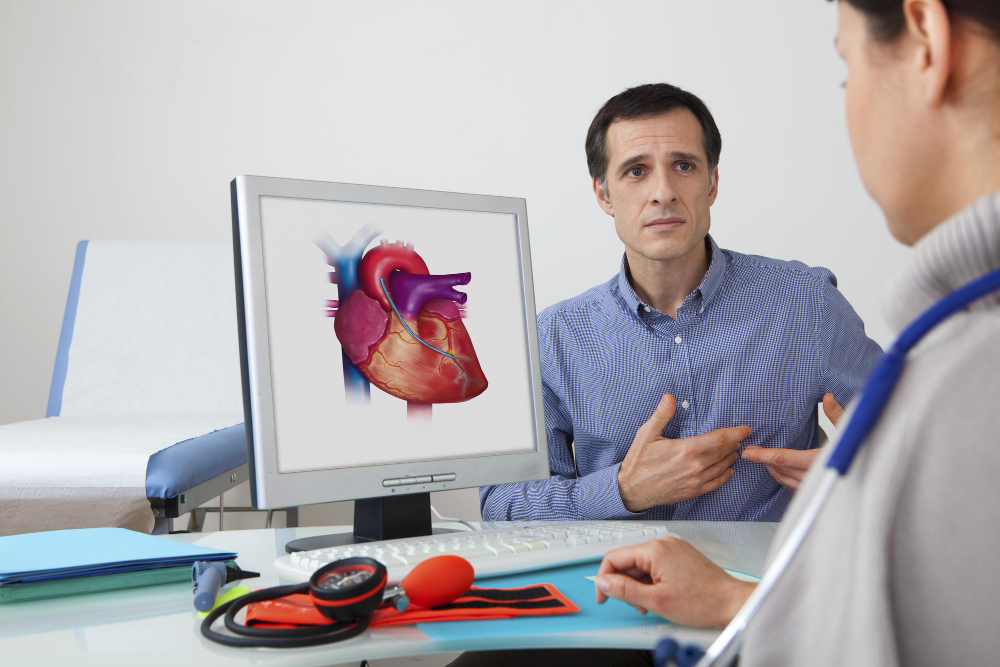
Why A Routine Heart Check Up Saves Lives
Most heart problems develop silently over years with no obvious symptoms. Heart screening tests detect cholesterol levels, blood pressure, and hidden blockages early — when lifestyle changes can still prevent a crisis.
-

What a Cardiac Profile Test Actually Tells Your Doctor About Your Heart
When something goes wrong with your heart, doctors can't rely on guesswork. A cardiac profile test checks your blood for specific markers like troponin, electrolytes, and cholesterol to find out exactly what happened inside your chest - and make sure you get the right treatment, not just the closest one.
-
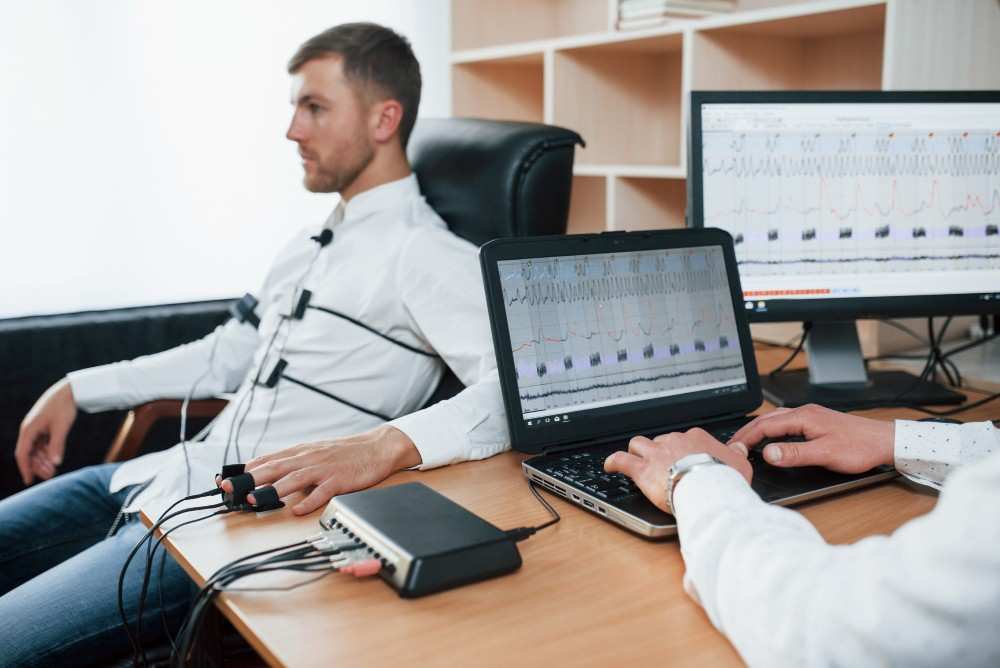
ECG Test For Heart Attack: What a Normal Result Can and Can't - Tell You
Hearing that you might have a heart attack with a normal ECG sounds completely confusing when your chest feels terribly heavy. You likely rushed to the local clinic because you felt an unusual squeezing sensation after a quick morning walk.