
General medicine | 27 Feb 2026
Thyroid Disorders Treatment: What You Need to Know
Millions of people in India have a thyroid problem without even realising it. Tiredness, unexpected changes in weight, changes in how you feel, and trouble sleeping are frequently assumed to be due to stress or lifestyle – however the actual reason could be a small, butterfly-shaped gland in your neck.
The thyroid gland is the in-charge of how the body uses energy. If it isn’t working as it should, the whole of you will feel the effects. Fortunately, thyroid disorders treatments have come on very well, and nearly all thyroid problems can be dealt with effectively, given the correct diagnosis and a care plan.
Understanding the Thyroid Gland and What Goes Wrong
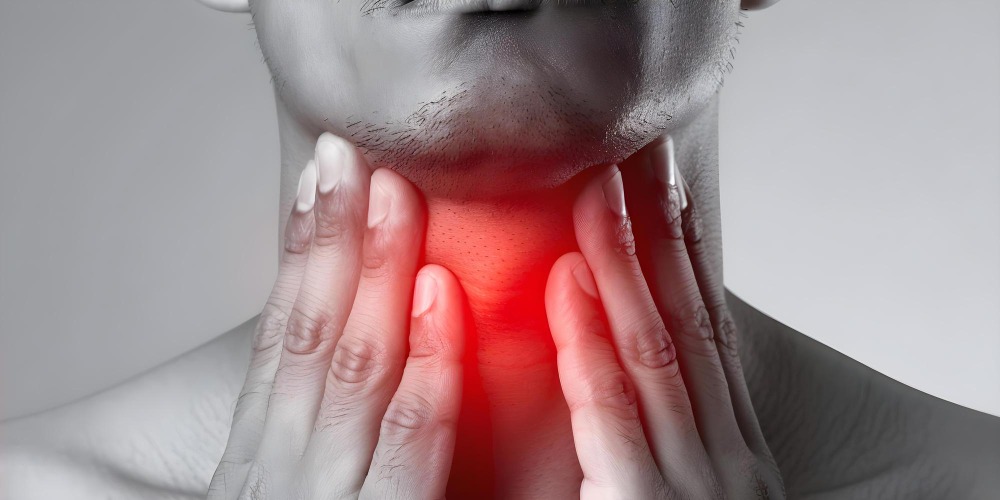
Located in the front of the neck, directly below the Adam’s apple, the thyroid gland produces two principal hormones – T3, or triiodothyronine, and T4, which is thyroxine – and these regulate metabolism, heart rate, body temperature, and levels of energy.
Should the thyroid produce an insufficient quantity of hormone, all bodily functions will be slowed; conversely, should it produce an excess, all bodily functions will be accelerated. Either of these occurrences can lead to genuine, quantifiable harm if they are not addressed.
The thyroid conditions most often seen in practice are:
-
Hypothyroidism – an underactive thyroid which does not make enough hormones.
-
Hyperthyroidism – an overactive thyroid which makes too much hormone.
-
Hashimoto's thyroiditis – an autoimmune condition which slowly damages thyroid tissue, causing hypothyroidism.
-
Graves' disease – an autoimmune illness which overstimulates the gland, causing hyperthyroidism.
-
Goitre – abnormal swelling of the thyroid, which can happen in either condition.
Recognising the Symptoms of Each Condition
Symptoms vary depending on whether the thyroid is underactive or overactive. Knowing the difference is the first step toward getting the right help.
Symptoms of hypothyroidism include:
-
Continuing tiredness and a lack of stamina,
-
Unexpected putting on of weight,
-
Feeling cold even when the temperature is acceptable,
-
Skin which is dry, and hair falling out and nails that crack easily,
-
Difficulty with bowel movements and slower processing of food,
-
A cloudy mind, and trouble with focus and recalling things,
-
And menstrual bleeding which is very heavy or doesn’t come regularly.
Symptoms of hyperthyroidism include:
-
Loss of weight when not expected, even though someone’s eating properly or more than usual;
-
A pulse that is fast or doesn’t beat steadily;
-
Feeling worried, on edge, and having trouble getting to sleep;
-
Sweating a lot, and being sensitive to warmth;
-
Shaking in the fingers and hands;
-
Going to the toilet a lot;
-
A noticeably bigger thyroid gland, which you can see at the bottom of the throat.
If you notice several of these symptoms together — or if they have been persisting for weeks without a clear reason — thyroid function testing is strongly recommended.
Thyroid Disorders Treatment Options Explained
Thyroid gland treatment depends entirely on the sort of disorder, how serious it is, and the individual patient’s health. There isn’t one treatment that suits all cases, which is why getting a specialist’s opinion is essential.
Hypothyroidism Treatment
Hypothyroidism Treatment is based on replacing the hormone the thyroid isn’t now making enough of. The usual treatment is a daily tablet called levothyroxine – a man-made version of the T4 hormone.
Most patients start to feel better in their energy, mood and weight within one or two weeks of starting treatment. As the correct dose is different for everyone, a doctor will check TSH levels regularly and change the prescription as needed.
For most people, this medicine is for life. However, it is simple to take, is well put up with, and works very well when it is managed properly.
Hyperthyroidism Treatment
Dealing with an overactive thyroid has more options, and the right choice depends on what is causing the gland to make too much hormone.
Antithyroid Medications
Drugs like methimazole or propylthiouracil (PTU) work by stopping the thyroid being able to make hormones. They are usually the first treatment and can lower hormone levels within a few weeks.
Radioactive Iodine Therapy
This is one of the most often used and effective treatments for hyperthyroidism. The patient swallows a capsule or liquid with a low dose of radioactive iodine, which is taken in by the overactive thyroid and slowly lowers its activity.
Most patients need only one treatment. Hormone levels usually go back to normal within three to six months. In some cases, the gland may become underactive after this, needing lifelong levothyroxine to make up for it.
Beta-Blockers
These medicines don’t only cure the basic thyroid problems but also helps in managing symptoms like fast heartbeat, body shaking and anxiety while the main treatment takes effect.
Thyroid Surgery (Thyroidectomy)
Surgical taking away of part or all of the thyroid gland is thought about when other treatments haven’t worked, when the goitre is making it hard to breathe or swallow, or when there is a worry about thyroid cancer.
After a full thyroidectomy, the patient will need lifelong hormone replacement treatment.
Who Needs Thyroid Disorder Treatment in Ludhiana?
Thyroid disorders are becoming more and more common across Punjab and the larger North India area. Changes in what people eat, a lack of iodine in some areas, increasing autoimmune diseases and stress are all things that add to this.
If you are having any mix of the symptoms listed above, or if thyroid problems run in your family, getting a TSH blood test is a simple first step. It is a simple, cheap test that gives a clear idea of how the thyroid is working.
For those looking for thyroid disorder treatment in Ludhiana, getting to specialist care makes early diagnosis and exact treatment much more possible than many patients think.
Manage It Early, Live Well
A thyroid disorder doesn’t have to decide how you feel every day. With the correct diagnosis, the right treatment plan and regular follow-up, the great majority of patients with thyroid problems live full, healthy and active lives.
At Arora Neuro Centre, our specialists deal with thyroid disorder treatment with complete testing, treatment made for you, and clear advice at every stage. If your body has been trying to tell you something, now is the right time to listen.
Recent Blogs
-

Difference Between Dementia and Alzheimer's: Things all Families need to know
Dementia is an umbrella term for cognitive decline; Alzheimer's is one specific cause of it (the most common one). This blog explains that distinction, covers other dementia types, lists early warning signs in elderly parents, and pushes for early diagnosis via Arora Neuro Center.
-

Why A Routine Heart Check Up Saves Lives
Most heart problems develop silently over years with no obvious symptoms. Heart screening tests detect cholesterol levels, blood pressure, and hidden blockages early — when lifestyle changes can still prevent a crisis.
-

What a Cardiac Profile Test Actually Tells Your Doctor About Your Heart
When something goes wrong with your heart, doctors can't rely on guesswork. A cardiac profile test checks your blood for specific markers like troponin, electrolytes, and cholesterol to find out exactly what happened inside your chest - and make sure you get the right treatment, not just the closest one.
-

ECG Test For Heart Attack: What a Normal Result Can and Can't - Tell You
Hearing that you might have a heart attack with a normal ECG sounds completely confusing when your chest feels terribly heavy. You likely rushed to the local clinic because you felt an unusual squeezing sensation after a quick morning walk.
-

Heart Blockage Test: A Complete Guide to Types, Signs & What to Expect
Getting a heart blockage test usually feels far scarier than the actual clinic visit itself. You might notice a strange tightness in your chest while chasing your dog around a local park. Many people simply blame this sudden heavy feeling on bad digestion after eating a spicy street snack.