

Neurology | 25 Feb 2026
Peripheral Nervous System (PNS): What It Is and How It Works
Your body deals with countless signals each second – you experience warmth, perceive discomfort, operate your hands, inhale automatically, and respond to noises prior to your awareness of them. A huge network of communication throughout your whole body enables all this to happen.
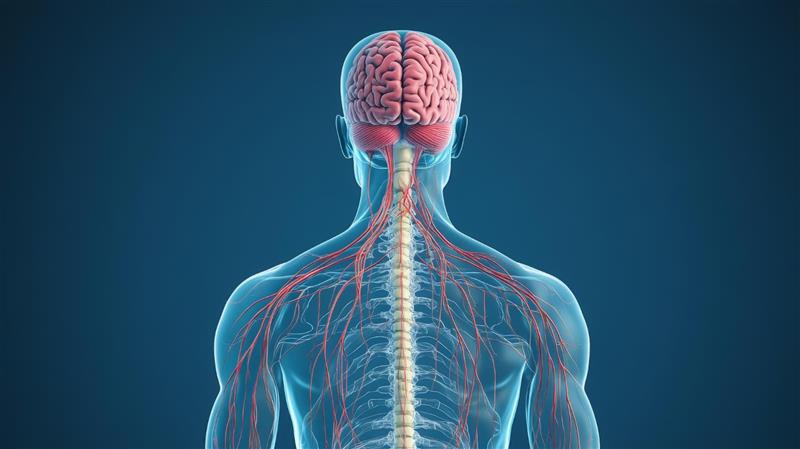
The part of this network that is not the brain and spinal cord is the PNS nervous system, or PNS. It links your central nervous system to each muscle, organ, and sensory receptor in your body. Should it not exist, your brain would be unable to either transmit or obtain information.
This manual will describe the structure of the peripheral nervous system, its main components, the way it operates, and how it differs from the central nervous system.
What Is the Peripheral Nervous System?
The nervous system of people; is divided in two main divisions. One is the central nervous system, or CNS; this is the brain and spinal cord. The other is the peripheral nervous system – the PNS – and this covers all the nerves that go from the brain and spinal cord to all parts of the body.
Thinking of the CNS as a command centre, the PNS would be the messaging system that moves information back and forth to it.
The peripheral nervous system structure has around forty-three sets of nerves, consisting of twelve sets of cranial nerves which come from the brain and thirty-one sets of spinal nerves which come from the spinal cord. These combine to make a network of nerves throughout the body which is always at work.
Peripheral Nervous System Parts and Anatomy
Understanding the peripheral nervous system parts starts with knowing the two broad categories it is divided into.
Somatic Nervous System
The somatic nervous system is the voluntary part of the PNS. It controls conscious actions such as walking, writing, speaking, and reaching for objects.
It has two types of nerve fibres working in opposite directions:
-
Sensory (afferent) fibres carry signals from the skin, muscles, and sense organs to the brain
-
Motor (efferent) fibres carry commands from the brain out to the skeletal muscles to trigger movement
When you touch something hot and pull your hand away, it is the somatic system's sensory fibres detecting the heat and motor fibres executing the withdrawal.
Autonomic Nervous System
The autonomic nervous system – the ANS – is the involuntary component of the peripheral nervous system; it controls all the bodily processes which happen without you needing to think about them, for instance your pulse, how food is processed, how fast you breathe and how blood pressure is kept steady.
The ANS itself consists of three parts:
-
The sympathetic part gets the body ready for exertion or challenge. It makes the heart beat more quickly, widens the black of your eyes, sends blood to the muscles, and makes digestion slower. It is very frequently known as the ‘fight or flight’ reaction.
-
The parasympathetic part returns the body to a calm condition once the stressful situation is over. It makes the heart beat more slowly, encourages digestion, and aids in getting better. It is usually termed ‘rest and digest’.
-
The enteric part is in charge of nothing but the digestive system. It functions mostly on its own and oversees how food moves along the intestines.
Peripheral Nervous System Anatomy: Key Structural Components
The peripheral nervous system anatomy includes several structural elements that allow signals to travel accurately across long distances in the body.
-
Twelve pairs of cranial nerves attach directly to the brain; these control important functions – sight, facial expression, sound perception, odour recognition, flavour, and the control of cardiac and gastrointestinal activity via the vagus nerve.
-
Thirty-one pairs of spinal nerves leave the spinal cord by way of gaps between the vertebrae and are divided into five sets: eight cervical, twelve thoracic, five lumbar, five sacral and one coccygeal – each serving a different area of the body.
-
Ganglia – collections of neuron cell bodies situated outside of the central nervous system – function as points of transmission, both handling and routing signals as they go between the brain and the remainder of the organism.
-
Sensory receptors, which are specialised formations and are spread through the dermis, musculature and viscera, identify particular excitations; these include tactile sensation, force, heat, discomfort and proprioception.
Peripheral Nerves Function: What They Actually Do
The peripheral nerves function can be understood through three core roles:
-
Sensory Input
Peripheral sensory nerves constantly gather information from your environment and your internal organs. They detect temperature, pain, pressure, and body position and relay all of it back to the brain for interpretation.
-
Motor Output
Once the brain processes incoming information, it sends movement commands back through the motor nerves of the PNS to the muscles and glands. This is what allows you to respond to what you sense.
-
Autonomic Regulation
The PNS continuously monitors and adjusts vital functions. It regulates heart rate, controls blood vessel diameter, manages glandular secretions, and keeps digestion running smoothly without any conscious effort from you.
Difference Between PNS and CNS
The difference between PNS and CNS is straightforward but important to understand.
|
Feature |
CNS |
PNS |
|
Components |
Brain and spinal cord |
All nerves outside brain and spinal cord |
|
Role |
Processes and interprets information |
Transmits signals to and from the CNS |
|
Control |
Central command |
Communication network |
|
Regeneration |
Limited ability to self-repair |
Greater capacity for nerve regeneration |
|
Protection |
Protected by skull and vertebral column |
No bony protection |
The CNS is the decision-making hub. The PNS is the delivery and collection system that keeps the hub connected to the entire body.
“The division and working of the human nervous system explained”
“How diabetes-related nerve damage develops over time”
“What happens to nerve signals after a spinal cord injury”
When the PNS Does Not Work Properly
Peripheral neuropathy is the damage – or illness – that impacts the nerves outside the brain and spinal cord; that is, the peripheral nerves. Diabetes, insufficient vitamins, infections, immune system diseases where the body attacks itself, and direct physical harm to the nerves are typical reasons for this.
Problems with peripheral nerves can show up as:
-
a lack of feeling, or pins and needles, in the arms and legs;
-
a hurting or stabbing pain running with the length of a nerve;
-
feeble muscles, or difficulty being coordinated;
-
being very easily bothered by being touched;
-
And, if the autonomic nerves are harmed, issues with digestion, the bladder, or how fast the heart beats.
Understanding the PNS Helps You Protect It
The PNS nervous system isn’t simply something from a science class; it’s the system which enables sensation, motion, and existence. When it is operating normally, it’s something people don’t give a thought to, but when there’s a problem with it, the consequences are quickly apparent in what you do every day.
At Arora Neuro Centre, our experts carefully evaluate problems relating to the peripheral nervous system, give correct diagnoses, and formulate treatments to deal with the underlying issue. Should you be having nerve symptoms that can’t be explained, the most vital thing you are able to do is to be seen for assessment soon.
Recent Blogs
-

Difference Between Dementia and Alzheimer's: Things all Families need to know
Dementia is an umbrella term for cognitive decline; Alzheimer's is one specific cause of it (the most common one). This blog explains that distinction, covers other dementia types, lists early warning signs in elderly parents, and pushes for early diagnosis via Arora Neuro Center.
-

Why A Routine Heart Check Up Saves Lives
Most heart problems develop silently over years with no obvious symptoms. Heart screening tests detect cholesterol levels, blood pressure, and hidden blockages early — when lifestyle changes can still prevent a crisis.
-

What a Cardiac Profile Test Actually Tells Your Doctor About Your Heart
When something goes wrong with your heart, doctors can't rely on guesswork. A cardiac profile test checks your blood for specific markers like troponin, electrolytes, and cholesterol to find out exactly what happened inside your chest - and make sure you get the right treatment, not just the closest one.
-
ECG Test For Heart Attack: What a Normal Result Can and Can't - Tell You
Hearing that you might have a heart attack with a normal ECG sounds completely confusing when your chest feels terribly heavy. You likely rushed to the local clinic because you felt an unusual squeezing sensation after a quick morning walk.
-

Heart Blockage Test: A Complete Guide to Types, Signs & What to Expect
Getting a heart blockage test usually feels far scarier than the actual clinic visit itself. You might notice a strange tightness in your chest while chasing your dog around a local park. Many people simply blame this sudden heavy feeling on bad digestion after eating a spicy street snack.