

General medicine | 24 Feb 2026
Liver Disease Treatment: A Complete Guide for Patients
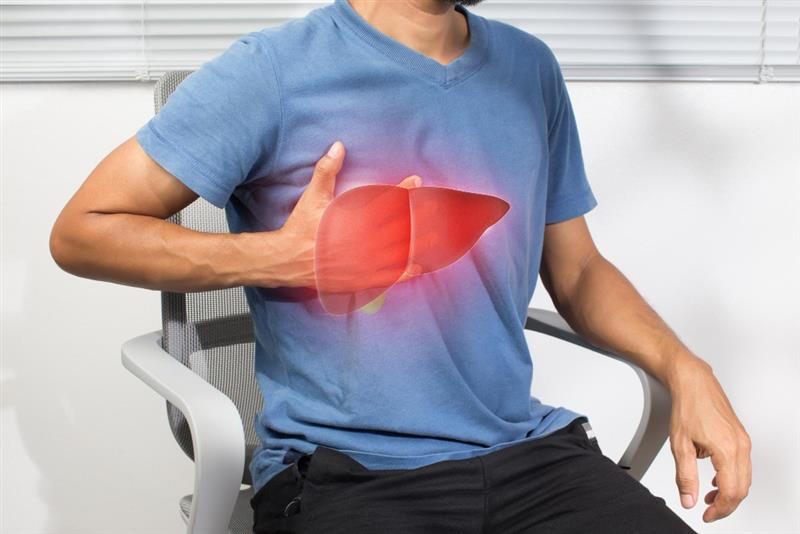
The liver is one of the body’s most active organs; it cleanses the blood of poisons, makes proteins which are needed for blood to clot, aids digestion, and keeps energy in store for everyday activity. When this important organ is not well, almost all of the body’s systems are affected.
To understand liver disease treatment, it is necessary to know the kind of illness you have, what brought it on, and how advanced it is. For nearly all patients, prompt diagnosis and the correct treatment plan really improve results.
What Causes Liver Problems?
Liver issues do not usually happen quickly. Most illnesses grow slowly, over months – or even years – and often have no clear signs in the beginning.
The usual reasons for liver harm are:
-
Years of drinking too much alcohol.
-
Infections of viral hepatitis – most often hepatitis B and hepatitis C.
-
Non-alcoholic fatty liver disease, which is becoming more frequent because of poor eating and not enough exercise.
-
Autoimmune diseases, in which the body’s defence system attacks liver cells.
-
Extended use of some drugs which impact how the liver works.
-
Inherited illnesses like Wilson’s disease or haemochromatosis.
-
Infections from parasites or bacteria which harm liver cells directly.
In India, viral hepatitis and fatty liver disease are the main reasons for illnesses connected to the liver. Increasing rates of obesity, diabetes, and bad eating habits have made fatty liver one of the quickest-growing liver illnesses in all ages.
Recognising Liver Disease Symptoms
A problem with liver illnesses is that damage at an early stage often does not give any signs you can notice. By the time signs are present, the illness may have already got worse.
Typical signs of liver disease to be aware of are:
-
Lasting tiredness and being weak for no reason.
-
Not wanting to eat and losing weight when you do not intend to.
-
Yellowing of the skin and the whites of the eyes – called jaundice.
-
Urine which is dark in colour and pale-coloured excrement.
-
Pain or swelling in the stomach, specifically on the upper right side.
-
Skin which itches without an obvious reason.
-
Swelling in the legs and feet.
-
Feeling sick, throwing up, or just feeling generally unwell.
At a more advanced stage, signs might be confusion, difficulty remembering, black or very dark excrement, and liquid collecting in the stomach. These need urgent medical help.
Types of Liver Conditions and Their Treatment Approaches
Liver disease treatment is very different, depending on the sort and seriousness of the illness. Understanding types of Liver Conditions and their treatment approaches is always crucial to keep going for the unstopped diagnosis.
Types of Liver Conditions
1. Hepatitis A
-
A viral infection that causes acute liver inflammation.
-
Usually spreads through contaminated food or water.
-
Often short-term and typically does not lead to chronic disease.
2. Hepatitis B
-
A serious viral infection transmitted through blood or body fluids.
-
Can become chronic and lead to long-term liver damage.
-
Vaccination is available for prevention.
3. Hepatitis C
-
A blood-borne viral infection that often becomes chronic.
-
One of the leading causes of chronic liver disease and liver transplantation.
4. Fatty Liver Disease
-
Occurs when excess fat builds up in liver cells. Two main types:
-
Alcoholic Fatty Liver Disease – caused by excessive alcohol consumption.
-
Non-alcoholic Fatty Liver Disease – linked to obesity, diabetes, and metabolic syndrome.
5. Cirrhosis
-
A late-stage liver disease where healthy liver tissue is replaced with scar tissue.
-
Often caused by long-term alcohol use, chronic hepatitis infections, or fatty liver disease.
6. Liver Cancer
-
Most common type: Hepatocellular Carcinoma.
-
Usually develops in people with chronic liver disease or cirrhosis.
7. Autoimmune Hepatitis
-
A condition where the immune system attacks liver cells, causing inflammation and damage.
8. Hemochromatosis
-
A genetic disorder where the body absorbs too much iron, which accumulates in the liver and other organs.
9. Wilson’s Disease
-
A rare genetic condition causing excess copper build-up in the liver, brain, and other organs.
10. Primary Biliary Cholangitis
-
An autoimmune disease that gradually destroys bile ducts in the liver, leading to liver damage.
Liver Treatment-
Treatment of Long-Lasting Liver Disease
Long-lasting liver disease happens when the liver gets repeated or long-term harm over time. The most common causes are long-term hepatitis infection, heavy drinking of alcohol, and fatty liver disease which goes on to cause inflammation and scarring.
The aims of treatment for long-lasting liver disease are to stop any more harm, control signs, and prevent problems like cirrhosis or liver failure. Treatment usually consists of:
-
Antiviral medicines to control hepatitis B and C and lessen inflammation.
-
Steroids and immunosuppressants to reduce the immune response in autoimmune hepatitis.
-
Diuretics to cut down on fluid in the stomach and legs.
-
Beta-blockers to deal with portal hypertension, and to lower the possibility of internal bleeding.
-
Demanding changes to diet and lifestyle – total avoidance of alcohol, a diet low in salt, and regular exercise – are also necessary.
Liver Infection Treatment
Liver infections can be caused by viruses, bacteria, parasites, or fungi; each kind needs a particular treatment.
For liver infection treatment; Doctors generally employ:
-
Antiviral drugs for hepatitis infections.
-
Antibiotics for bacterial infections like a liver abscess.
-
Anti-parasitic drugs for illnesses such as amoebic liver abscess.
-
Antifungal treatment – though this is uncommon – in the few instances of fungal liver infection.
-
Finding out what type of infection is present early, via blood tests, scans and sometimes a liver biopsy, is vital for selecting the correct treatment.
Fatty Liver Disease Treatment
There is currently no approved medicine for non-alcoholic fatty liver disease, and treatment concentrates on changing lifestyle. Losing five to ten per cent of body weight can notably lower liver fat and inflammation.
Controlling blood sugar, cholesterol, and blood pressure via diet, exercise and drugs which are prescribed is also a key part of treating this condition.
Advanced Liver Disease and Surgical Options
When liver damage goes on to cirrhosis or liver failure, medical treatment on its own might not be enough.
Surgical procedures which are thought about at this point are:
-
Removing a part of the liver which is damaged or has cancer in it.
-
A transjugular intrahepatic portosystemic shunt – or TIPS – to relieve portal hypertension.
-
Liver transplant, which is still the best way to deal with end-stage liver failure, and which involves replacing the damaged liver with a healthy liver from a donor.
Not all patients reach this stage; a lot of people with liver disease do well for years if the condition is found early and treated consistently.
Diagnosis: What to Expect
A doctor assessing liver health will generally start with blood tests to measure enzyme levels, protein production and other indicators. After these come scans – ultrasound, CT scan or MRI – to show any changes in structure.
A liver biopsy – a thin needle passed through the skin to obtain a small sample of liver tissue for tests – is sometimes performed to discover the level of scarring or inflammation.
Liver Disease Treatment in Ludhiana
Patients all over Punjab need access to skilled experts to deal with liver conditions effectively. Liver disease treatment in Ludhiana is available for patients with all kinds of liver conditions, from early fatty liver to advanced, long-term disease.
At Arora Neuro Centre, our team gives complete diagnostic evaluations, exact diagnoses, and treatments which are made to suit each patient’s specific condition and general health.
Take Action Before It Progresses
The liver is remarkably good at repairing itself in the early stages of damage. With the right plan for liver disease treatment, and regular medical care, many patients see a big improvement in how well they function and in their quality of life.
Do not wait for symptoms to become serious; if you have risk factors, a family history of liver disease, or have been experiencing ongoing tiredness, digestive problems, or pain in the stomach, talk to an expert and get tested. Taking action early is always the best action.
Recent Blogs
-

Difference Between Dementia and Alzheimer's: Things all Families need to know
Dementia is an umbrella term for cognitive decline; Alzheimer's is one specific cause of it (the most common one). This blog explains that distinction, covers other dementia types, lists early warning signs in elderly parents, and pushes for early diagnosis via Arora Neuro Center.
-
Why A Routine Heart Check Up Saves Lives
Most heart problems develop silently over years with no obvious symptoms. Heart screening tests detect cholesterol levels, blood pressure, and hidden blockages early — when lifestyle changes can still prevent a crisis.
-

What a Cardiac Profile Test Actually Tells Your Doctor About Your Heart
When something goes wrong with your heart, doctors can't rely on guesswork. A cardiac profile test checks your blood for specific markers like troponin, electrolytes, and cholesterol to find out exactly what happened inside your chest - and make sure you get the right treatment, not just the closest one.
-

ECG Test For Heart Attack: What a Normal Result Can and Can't - Tell You
Hearing that you might have a heart attack with a normal ECG sounds completely confusing when your chest feels terribly heavy. You likely rushed to the local clinic because you felt an unusual squeezing sensation after a quick morning walk.
-

Heart Blockage Test: A Complete Guide to Types, Signs & What to Expect
Getting a heart blockage test usually feels far scarier than the actual clinic visit itself. You might notice a strange tightness in your chest while chasing your dog around a local park. Many people simply blame this sudden heavy feeling on bad digestion after eating a spicy street snack.