

General medicine | 24 Feb 2026
High Blood Pressure Treatment: A Complete Patient Guide
High blood pressure doesn’t often make itself known in a dramatic way. Usually, there are no sudden, severe aches; most people won’t have clear indications that something isn’t right, or a specific time when they feel distinctly unwell. This is, in fact, what gives it its risk.
Globally, hypertension is among the main reasons for heart failure, stroke and kidney disease; at this moment, a huge number of people in India have the condition, yet are unaware of it. The good news is, high blood pressure treatment is quite good, very effective and can be thoroughly dealt with, given the proper procedure.
This handbook gives all the information that you will need to learn about, deal with and regulate high blood pressure.
Understanding Hypertension Before You Treat It
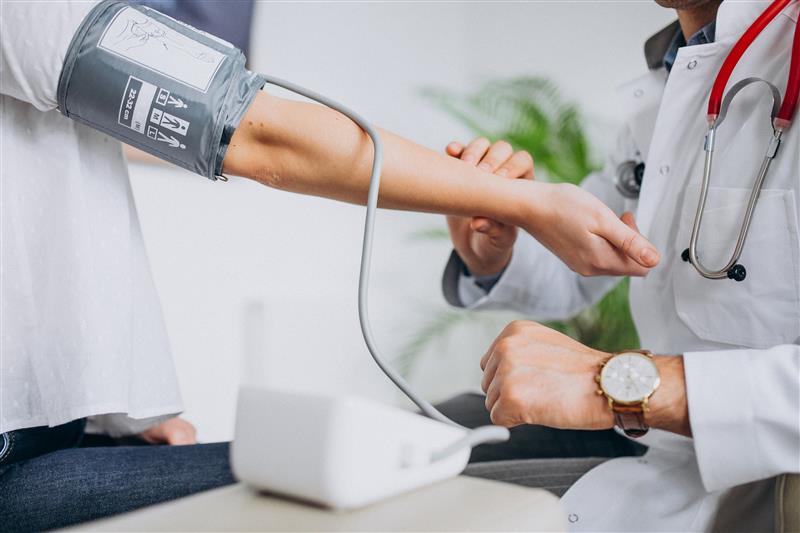
Blood pressure is the measure of how strongly your blood pushes against your artery walls as it moves around the body, and is given as two figures. The higher figure – systolic – shows the pressure when your heart contracts. The lower one – diastolic – shows the pressure when your heart is at rest in between beats.
According to present medical advice, a reading that is regularly at or over 130 over 80 millimetres of mercury, is too high. A reading of 180/120 mmHg or greater suggests a hypertensive emergency and demands instant treatment by a doctor.
High blood pressure comes in two forms. The first, primary hypertension, builds up slowly with the passing of years and has no one definite reason for happening. The second, secondary hypertension, comes about because of a separate medical problem – like kidney issues, trouble with the thyroid, or some medicines – and normally starts more quickly.
Knowing what sort of hypertension you have is very important in deciding how to treat it.
Common Risk Factors for High BP
Elevated blood pressure doesn’t impact all people in the same way. Some things mean certain people are much more likely to develop it.
These reasons are:
-
Being over the age of fifty-five, because blood vessels get less flexible as you get older;
-
Having relatives who have had high blood pressure or problems with their heart;
-
Weighing too much, or being seriously overweight, as this makes the heart work harder;
-
Eating a lot of salt, and not enough potassium;
-
Not doing enough exercise, and spending most of each day not being active;
-
Ongoing tension, for a long time;
-
Using tobacco, and drinking too much alcohol;
-
Having diabetes that isn’t being managed, or long-term issues with the kidneys.
A lot of these things can be changed. Dealing with them is what any good plan to treat increased BP is based on.
Lifestyle Changes as the First Line of Treatment
Changes to your way of life are often the first approach to treating blood pressure. People with slightly high blood pressure may be able to get their numbers down to where they should be – and without drugs. And for those who are already taking medicine, these adjustments to habits can make treatment work a lot better.
Changes to What You Eat
One of the very best things you can do in your diet is to get less than 2,300 milligrams of sodium a day. The DASH diet – Dietary Approaches to Stop Hypertension – is something doctors suggest a lot. It puts the focus on produce, whole-grain foods, meat which isn’t fatty, and dairy with little fat; it cuts back on foods that have been worked on in factories, fats that are saturated, and salt that’s been added.
Getting more potassium through foods like plantains, spinach, beans, and yams helps to oppose the effect of sodium on raising blood pressure.
Regular Exercise
At least half an hour of aerobic exercise – not too hard – almost every day of the week can really be measured in terms of the effect it has on blood pressure. Fast-paced walking, swimming, riding a bike, and a little jogging are all good. It’s how often you do it, rather than how hard, that’s most important.
Controlling Weight
Even losing 5 to 10 percent of your weight, if you are overweight, will bring down blood pressure in a way you can notice. Weight loss also makes cholesterol better, cuts down on the strain on your heart, and makes any drugs a doctor has given you work better.
Giving Up Smoking and Not Drinking Too Much
Each cigarette raises blood pressure for a little while, and harms the walls of your arteries in the long run. Stopping smoking cuts down on the risk of heart trouble a great deal, within months.
You should have no more than one drink – a normal-sized one – a day if you’re a woman, and two if you’re a man. Going over these amounts regularly will raise blood pressure and get in the way of drugs.
Dealing with Stress
Long-lasting stress keeps the body in a state of being on alert for a long time, which raises blood pressure over the years. Things such as deep breaths, yoga, thinking quietly, and getting enough rest all help to control blood pressure better.
Medical Management of Hypertension
When changes to your way of life aren’t enough – or if blood pressure is very high to begin with – medicine is needed. Treating hypertension medically includes a number of drug groups that have been thoroughly investigated, and are frequently used together to best manage it.
-
Diuretics are typically the first medicine doctors give; these assist the kidneys in getting rid of extra salt and water from the body, which lowers blood volume and the strain on artery walls.
-
ACE inhibitors function by stopping a substance which makes blood vessels become constricted. They permit vessels to become loose and expand, lessening the effort needed to pump blood through them.
-
Angiotensin II receptor blockers – ARBs – act in much the same way as ACE inhibitors, but by a rather different process; they are often the choice when ACE inhibitors create unwanted effects.
-
Calcium channel blockers stop calcium from going into the muscle cells of the heart and blood vessels, making them relax, and reducing blood pressure.
-
Beta-blockers bring down the pulse rate and lessen the strength of each pulse, which cuts the total pressure the heart makes.
-
Vasodilators directly make the muscles in artery walls become loose, making the arteries bigger and letting blood run through them more easily.
Over 70% of people who have hypertension will, in the end, require no less than two drugs to get satisfactory blood pressure regulation. Your physician will decide on the correct combination according to your readings, age, prior medical issues, and any other illnesses you may have.
Can High Blood Pressure Be Cured?
It’s a question we get from patients a lot. The truth is, in the majority of situations, primary hypertension isn’t permanently cured. Still, it’s able to be managed well through appropriate treatment, so that patients are able to enjoy complete, healthy lives, and with little danger.
Long-term management of high blood pressure needs regular taking of medicine, usual checking, appointments at the correct times with a doctor who specialises in it, and continuing with healthy habits. One of the most usual reasons blood pressure goes up once more is patients stopping their medicine without being told to by a doctor.
Unlike this, secondary hypertension can get much better, or even completely go, when the thing causing it is dealt with effectively.
Hypertension Treatment in Ludhiana
Consistent specialist care is truly important for people throughout Punjab in order to safely manage blood pressure for the duration of their lives. Hypertension treatment in Ludhiana is offered to patients no matter where they are in the process – from those just discovering they have high blood pressure, to those with hypertension that doesn’t respond to medication, and who need complicated drug regimes.
At Arora Neuro Centre, the doctors we employ do complete assessments, discover things that are causing the problem, and develop treatments suited to each person, that deal with the figures and the general wellbeing of each patient.
Protect Your Heart, Starting Today
High blood pressure treatment isn’t something you do just once; it’s a continuing dedication to your heart, your kidneys, and how healthy you are, in general. Blood pressure is able to be dealt with well – and the dangers it creates are able to be lowered a lot – through the correct mix of alterations to your way of life, medicines, and watching by a professional in the field.
If your blood pressure hasn’t been looked at in a while, or should you already be aware that your figures are too high, don’t put it off. Acting soon gives the greatest chances of a good result, every time.
Recent Blogs
-

Difference Between Dementia and Alzheimer's: Things all Families need to know
Dementia is an umbrella term for cognitive decline; Alzheimer's is one specific cause of it (the most common one). This blog explains that distinction, covers other dementia types, lists early warning signs in elderly parents, and pushes for early diagnosis via Arora Neuro Center.
-
Why A Routine Heart Check Up Saves Lives
Most heart problems develop silently over years with no obvious symptoms. Heart screening tests detect cholesterol levels, blood pressure, and hidden blockages early — when lifestyle changes can still prevent a crisis.
-

What a Cardiac Profile Test Actually Tells Your Doctor About Your Heart
When something goes wrong with your heart, doctors can't rely on guesswork. A cardiac profile test checks your blood for specific markers like troponin, electrolytes, and cholesterol to find out exactly what happened inside your chest - and make sure you get the right treatment, not just the closest one.
-
ECG Test For Heart Attack: What a Normal Result Can and Can't - Tell You
Hearing that you might have a heart attack with a normal ECG sounds completely confusing when your chest feels terribly heavy. You likely rushed to the local clinic because you felt an unusual squeezing sensation after a quick morning walk.
-

Heart Blockage Test: A Complete Guide to Types, Signs & What to Expect
Getting a heart blockage test usually feels far scarier than the actual clinic visit itself. You might notice a strange tightness in your chest while chasing your dog around a local park. Many people simply blame this sudden heavy feeling on bad digestion after eating a spicy street snack.