

Orthopedics | 21 Nov 2025
Arthritis: Symptoms, Causes, Types, Best Treatment & Cure
Arthritis is one of the most common joint-related conditions, affecting millions of people worldwide—especially as they age. Yet many people misunderstand arthritis as a single disease. In reality, arthritis refers to over 100 different joint disorders that cause pain, swelling, stiffness, and reduced mobility.
At Arora Neuro Centre, we see numerous patients every week who struggle with chronic joint pain but are unaware that early diagnosis and timely treatment can significantly improve their quality of life. This detailed guide aims to help you understand the symptoms, causes, types, diagnosis, and advanced treatments available for arthritis.
What Is Arthritis?
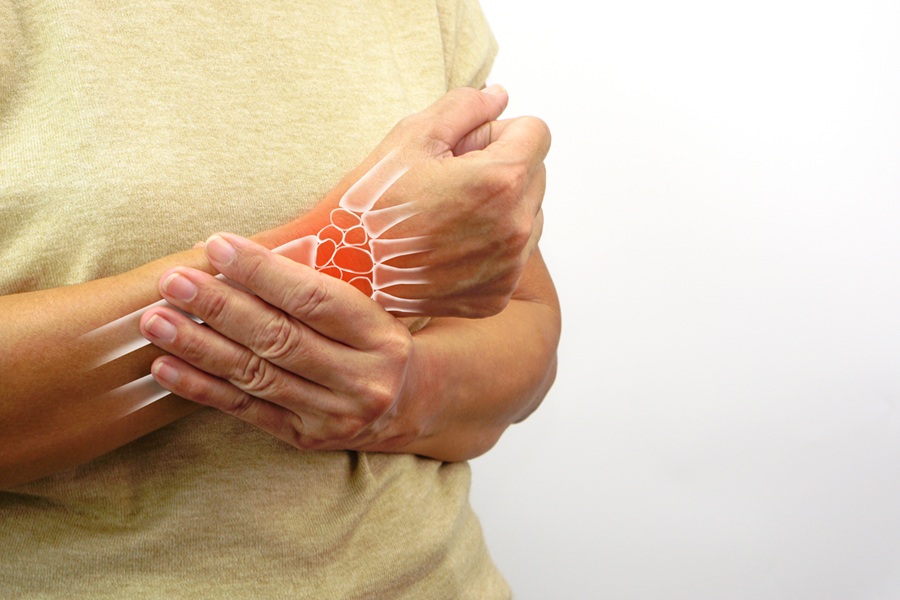
Arthritis is a medical condition that causes inflammation of one or more joints, leading to pain and difficulty in movement. The inflammation may occur in:
-
Knees
-
Hips
-
Spine
-
Fingers
-
Wrists
-
Ankles
-
Shoulders
While arthritis is common in older adults, it can also affect younger people, including children (juvenile arthritis). Understanding the underlying cause is important because the treatment varies depending on the type of arthritis.
Common Symptoms of Arthritis
Arthritis symptoms can develop gradually or appear suddenly. They may worsen over time if left untreated. The most common symptoms include:
1. Joint Pain
A persistent, dull, or sharp pain in the affected joint, especially after movement or physical activity.
2. Joint Stiffness
Difficulty moving the joint, particularly after waking up in the morning or sitting for long periods.
3. Swelling & Tenderness
Inflamed joints may appear warm, swollen, and painful to touch.
4. Reduced Range of Motion
Patients may feel restricted in bending, stretching, or rotating their joints.
5. Redness & Warmth
Inflammation increases blood flow around the area, causing warmth and redness.
6. Fatigue & Weakness
Chronic pain can cause tiredness and reduced physical strength.
7. Grinding or Cracking Sensation (Crepitus)
Often felt in osteoarthritis when joint cartilage wears down.
If you or a loved one is experiencing these symptoms, it is important to seek medical consultation early.
Main Causes of Arthritis
Arthritis can be caused by a wide range of factors. The underlying cause often determines the treatment plan.
1. Age-Related Wear and Tear
The most common cause—especially in osteoarthritis—where joint cartilage weakens over time.
2. Autoimmune Disorders
In conditions like rheumatoid arthritis, the immune system mistakenly attacks the body’s own joints.
3. Genetic Predisposition
Family history increases the risk of developing specific forms of arthritis.
4. Previous Joint Injury or Surgery
Old injuries can lead to joint degeneration and arthritis.
5. Infection
Bacterial or viral infections can trigger infectious (septic) arthritis.
6. Obesity
Excess weight puts additional stress on weight-bearing joints like the knees and hips.
7. Lifestyle Factors
Poor nutrition, lack of exercise, and repetitive strain can contribute to joint inflammation.
Types of Arthritis
There are several types of arthritis, but the following are the most commonly diagnosed:
1. Osteoarthritis (OA)
The most common type, often called “wear and tear arthritis.”
-
Happens when cartilage—the protective cushion between bones—breaks down.
-
Most commonly affects: knees, hips, spine, and hands.
-
Symptoms worsen with age.
2. Rheumatoid Arthritis (RA)
A chronic autoimmune disease where the body’s immune system attacks joint lining.
-
Causes severe inflammation, swelling, and pain.
-
RA can also affect the eyes, lungs, and heart.
-
Early diagnosis is critical to prevent permanent joint damage.
3. Psoriatic Arthritis
Occurs in people with psoriasis (a skin condition).
-
Causes joint stiffness, swelling, and “sausage-like” fingers/toes.
-
May also affect nails and skin.
4. Gout
A painful form of arthritis caused by high uric acid levels.
-
Sudden intense pain, usually in the big toe.
-
Joints become red, hot, and extremely tender.
5. Ankylosing Spondylitis (AS)
Affects the spine, causing inflammation of vertebrae.
-
Leads to chronic back pain.
-
Severe cases may cause spine fusion and reduced flexibility.
6. Juvenile Arthritis
Arthritis in children under 16 years.
-
Can affect growth and development if untreated.
7. Infectious Arthritis
Caused by a bacterial, viral, or fungal infection.
-
Requires urgent medical intervention.
How Arthritis Is Diagnosed
Accurate diagnosis is the foundation of effective treatment. At Arora Neuro Centre, we follow a detailed and structured evaluation protocol:
1. Medical History Assessment
Understanding symptoms, lifestyle, family history, and previous injuries.
2. Physical Examination
Checking joint movement, swelling, tenderness, and flexibility.
3. Blood Tests
Used to detect:
-
Inflammation markers (ESR, CRP)
-
Autoimmune indicators (RF, anti-CCP)
-
Uric acid levels
4. Imaging Tests
-
X-ray: Detects bone damage, joint spacing, bone spurs
-
MRI: Shows cartilage, ligaments, and soft tissue
-
Ultrasound: Tracks inflammation in real-time
5. Joint Fluid Analysis
A sample of joint fluid is analyzed for infection, crystals, and inflammation.
This comprehensive approach ensures accurate diagnosis and targeted treatment.
Best Treatment Options for Arthritis
Arthritis treatment focuses on reducing pain, improving mobility, and preventing further joint damage. The right treatment depends on the type and severity of arthritis.
1. Medications
Pain Relievers
-
Paracetamol or NSAIDs
-
Reduce pain and improve movement.
Anti-Inflammatory Drugs
-
Ibuprofen, naproxen, or prescription medicines.
Corticosteroids
-
Reduce severe inflammation.
DMARDs (Disease-Modifying Antirheumatic Drugs)
-
Used for rheumatoid arthritis to control autoimmune activity.
-
Examples: Methotrexate, Hydroxychloroquine.
Biologic Agents
-
Advanced targeted therapies for RA and psoriatic arthritis.
2. Physiotherapy & Rehabilitation
Therapy strengthens muscles, reduces stiffness, and improves flexibility.
Includes:
-
Strength training
-
Joint stretching
-
Balance exercises
-
Heat & cold therapy
-
Posture correction
Regular physiotherapy is considered one of the most effective long-term management options.
3. Lifestyle Modifications
-
Maintaining a healthy weight
-
Walking, swimming, yoga
-
Anti-inflammatory diet (rich in omega-3, fruits, and veggies)
-
Avoiding repetitive strain
-
Using assistive tools for daily activities
4. Injections
Corticosteroid Injections- Quick and effective relief from severe pain.
Hyaluronic Acid Injections- Lubricates joints and improves mobility, especially in knee osteoarthritis.
5. Minimally Invasive Procedures
Arthroscopy- A small camera is inserted into the joint to clean, repair, or remove damaged tissue.
Radiofrequency Ablation- Targets and reduces pain signals from the affected joint.
6. Joint Replacement Surgery
In advanced arthritis, when mobility becomes severely limited, joint replacement (arthroplasty) may be recommended.
Common replacements include:
-
Knee replacement
-
Hip replacement
-
Shoulder replacement
These surgeries restore movement and significantly improve quality of life.
Is Arthritis Curable?
While most types of arthritis cannot be completely cured, they can be effectively managed with timely treatment. Some conditions, like infectious arthritis and early-stage gout, are reversible if treated early.
The goal at Arora Neuro Centre is to:
-
Control inflammation
-
Reduce pain
-
Prevent joint damage
-
Improve mobility
-
Enhance everyday functioning
With the right combination of medical treatment, guided physiotherapy, and lifestyle changes, patients can lead active, pain-free lives.
When Should You See a Doctor?
Seek medical help if you experience:
-
Persistent joint pain
-
Morning stiffness lasting more than 30 minutes
-
Swelling or redness in joints
-
Difficulty walking or performing daily tasks
-
Sudden severe pain (especially in the big toe—possible gout attack)
Early diagnosis prevents long-term joint damage.
Conclusion: Expert Arthritis Care at Arora Neuro Centre
Arthritis is a long-term condition, but it doesn’t have to limit your life. With the right diagnosis, timely treatment, and continuous care, you can manage symptoms effectively and stay active.
At Arora Neuro Centre, our team of experienced specialists offers comprehensive arthritis evaluation, advanced diagnostics, personalised treatment plans, and state-of-the-art therapies to help patients regain mobility and confidence.
If you’re experiencing joint pain or stiffness, don’t ignore the symptoms—early intervention can make all the difference.
Book a consultation at Arora Neuro Centre and take the first step toward pain-free living- https://aroraneuro.com/doctors/dr-saurabh-tuteja
Recent Blogs
-
Why A Routine Heart Check Up Saves Lives
Most heart problems develop silently over years with no obvious symptoms. Heart screening tests detect cholesterol levels, blood pressure, and hidden blockages early — when lifestyle changes can still prevent a crisis.
-

What a Cardiac Profile Test Actually Tells Your Doctor About Your Heart
When something goes wrong with your heart, doctors can't rely on guesswork. A cardiac profile test checks your blood for specific markers like troponin, electrolytes, and cholesterol to find out exactly what happened inside your chest - and make sure you get the right treatment, not just the closest one.
-

ECG Test For Heart Attack: What a Normal Result Can and Can't - Tell You
Hearing that you might have a heart attack with a normal ECG sounds completely confusing when your chest feels terribly heavy. You likely rushed to the local clinic because you felt an unusual squeezing sensation after a quick morning walk.
-

Heart Blockage Test: A Complete Guide to Types, Signs & What to Expect
Getting a heart blockage test usually feels far scarier than the actual clinic visit itself. You might notice a strange tightness in your chest while chasing your dog around a local park. Many people simply blame this sudden heavy feeling on bad digestion after eating a spicy street snack.
-

Heart Attack: Definition, Causes, Symptoms & Complete Guide to Recovery
Learn what causes a heart attack, how to spot early warning signs (including women’s symptoms), and what to do in an emergency. Covers diagnosis, types (STEMI/NSTEMI), prevention tips, screenings, recovery and cardiac rehab. Essential reading for families in India.